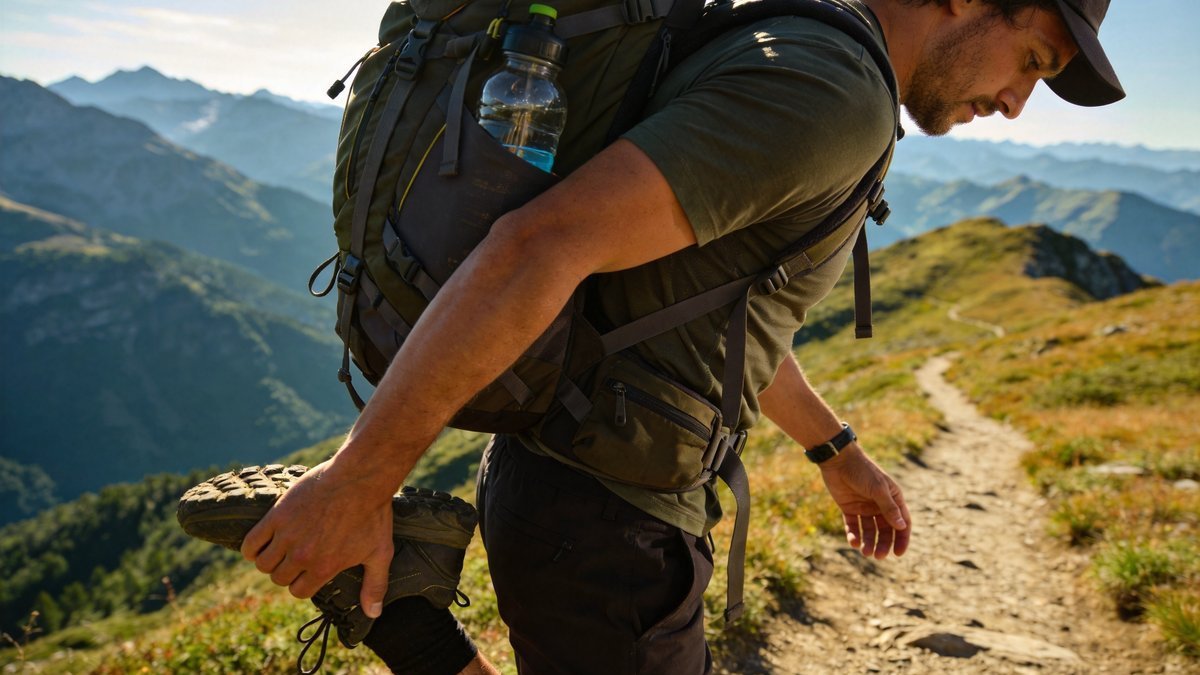
High altitude trekking above 10,000 feet demands respect for the effects of reduced oxygen on your body. Proper acclimatization is the difference between a summit and an early descent.
Key Takeaways
- The most critical rule of high altitude travel is climb high, sleep low. Gain elevation during the day but descend to a lower altitude for sleeping.
- Altitude acclimatization takes time. Plan one to three extra days at intermediate elevations before pushing above 10,000 feet to allow your body to adapt.
- Stay hydrated at altitude. Your respiratory rate increases, causing greater water loss through breathing. Aim for 4-5 liters of water daily above 12,000 feet.
- Know the symptoms of Acute Mountain Sickness and be willing to descend if symptoms worsen. Descending is the only reliable treatment for serious altitude illness.
Understanding Altitude and Its Effects
Altitude affects every body system, but the most significant impact is reduced oxygen availability. At 10,000 feet, the air contains about 69 percent of the oxygen available at sea level. At 14,000 feet, that drops to 58 percent. Your body compensates by breathing faster, increasing heart rate, and producing more red blood cells over time. These adaptations take days to develop fully.
Individual susceptibility to altitude sickness varies unpredictably. Being young, fit, and healthy provides no protection. In fact, young fit men are among the most likely to develop severe altitude illness because they push harder and ignore early symptoms. Previous experience at altitude does not guarantee future success. Every trip to altitude is a new physiological challenge.
Three main altitude ranges affect trekkers differently. High altitude from 8,000 to 12,000 feet causes noticeable increased breathing and reduced exercise capacity. Very high altitude from 12,000 to 18,000 feet causes significant hypoxia and high risk of altitude sickness. Extreme altitude above 18,000 feet is the zone of severe hypoxia where human bodies cannot acclimatize fully and extended stays cause progressive deterioration.
Acclimatization Strategies
Gradual ascent is the foundation of safe high altitude trekking. The standard recommendation is to not increase sleeping altitude by more than 1,000 feet per day above 10,000 feet. For every 3,000 feet of elevation gain, take a rest day at the same elevation to allow your body to adapt. This conservative schedule significantly reduces the risk of altitude illness.
The climb high, sleep low principle is the most effective acclimatization strategy. During your trek, make day hikes to higher elevations but return to a lower altitude for sleeping. This pattern exposes your body to higher elevations, stimulating adaptation, while allowing recovery at lower altitudes where oxygen is more available. A typical pattern might involve hiking to 14,000 feet during the day but sleeping at 12,000 feet.
Hydration is critically important at altitude. High altitude causes increased fluid loss through respiration and urination. Dehydration mimics and worsens altitude sickness symptoms. Drink 4-5 liters of fluid daily above 12,000 feet. Urine color is a reliable indicator: pale yellow indicates adequate hydration, while dark amber signals dehydration needing immediate attention.
Physical Training for High Altitude
Cardiovascular training provides the most important physical preparation for high altitude trekking. Build a strong aerobic base through running, cycling, swimming, or hiking. Interval training that alternates between high and low intensity improves your body's ability to handle oxygen debt. Aim for 45-60 minutes of cardiovascular exercise 5-6 days per week for at least 8 weeks before your trek.
Strength training should focus on legs, core, and back. Weighted stair climbing is the single best strength exercise for altitude trekking. Carry a 25-40 pound pack up stadium stairs or on a StairMaster for 30-45 minute sessions. Squats, lunges, and deadlifts build leg strength for steep ascents. Core exercises improve balance and posture under heavy pack loads.
Specificity matters in training. Your most valuable preparation is hiking with a loaded pack on steep terrain. If you live near mountains, train on similar terrain to your trek. If you live in flat areas, use a treadmill at maximum incline with a weighted pack. Weekend backpacking trips with full gear provide the most sport-specific training possible.
Medication and Prevention
Acetazolamide, known by the brand name Diamox, is the most commonly prescribed medication for altitude sickness prevention. It works by stimulating breathing, which improves oxygenation. Typical dosage is 125 mg twice daily starting 24 hours before ascent and continuing for 2-3 days at high altitude. Side effects include tingling in fingers and toes and altered taste perception, particularly for carbonated beverages.
Ibuprofen may help reduce the severity of altitude headache, one of the most common early symptoms of altitude sickness. It does not prevent or treat more serious forms of altitude illness and should not replace proper acclimatization. Dexamethasone is a steroid used for treatment of moderate to severe altitude sickness but is not recommended for routine prevention due to side effects.
Gingko biloba, antioxidant supplements, and herbal remedies have been studied for altitude sickness prevention with mixed results. No alternative medicine approach has demonstrated consistent effectiveness in clinical studies. The most reliable prevention methods remain gradual ascent, proper hydration, and recognizing early symptoms.
Recognizing and Responding to Altitude Sickness
Acute Mountain Sickness is the mildest and most common form of altitude illness. Symptoms include headache, fatigue, loss of appetite, nausea, and disturbed sleep. These symptoms typically appear 6-12 hours after reaching a new altitude and resolve within 24-48 hours if you stay at the same elevation and do not ascend further. If symptoms worsen or persist, descend immediately.
High Altitude Cerebral Edema and High Altitude Pulmonary Edema are life-threatening conditions requiring immediate descent. HACE symptoms include confusion, loss of coordination, hallucinations, and unconsciousness. HAPE symptoms include extreme shortness of breath at rest, coughing, chest tightness, and frothy sputum. Both conditions can progress to death within hours if descent is not initiated.
The only reliable treatment for severe altitude illness is descent. Descend at least 1,000-2,000 feet immediately when moderate or severe symptoms develop. Portable hyperbaric chambers can provide temporary relief but are not substitutes for descent. Supplemental oxygen helps but supplies are limited. Do not leave a person with altitude illness alone. One person should always stay with the affected individual during descent.
"The mountains will still be there tomorrow. Altitude sickness is not a test of willpower or toughness. Descending when symptoms appear is the smart decision, not the weak one. There are no medals for pushing through confusion and shortness of breath."
"The fittest people are often the most at risk from altitude sickness because their cardiovascular fitness masks early symptoms. They feel fine while hiking but become severely ill after stopping. Pay attention to how you feel at rest, not just while moving."
Frequently Asked Questions
Can I train at low altitude for a high altitude trek?
Low altitude training helps build cardiovascular fitness but does not trigger the physiological adaptations that occur at altitude. Training at low altitude prepares your muscles and cardiovascular system for the demands of hiking but does not reduce your risk of altitude sickness. The best preparation combines fitness training with a conservative ascent schedule.
How long does it take to acclimatize to high altitude?
Acclimatization is an ongoing process. Initial adjustments occur over 3-5 days at a given altitude. Full adaptation to a specific elevation takes 1-2 weeks. Trekking itineraries should plan for 1-3 acclimatization days at intermediate elevations. Most altitude sickness cases occur when trekkers ascend too quickly without allowing time for adaptation.
What pulse oximeter reading is normal at altitude?
Normal oxygen saturation at sea level is 95-100 percent. At 12,000 feet, a reading of 85-90 percent is normal for a well-acclimatized individual. Readings below 80 percent at rest warrant concern and suggest altitude illness. However, individual readings vary significantly. Track trends over time rather than focusing on single measurements.
Should I use supplemental oxygen while trekking?
Supplemental oxygen is rarely needed for trekking below 18,000 feet if you follow proper acclimatization protocols. Most high altitude treks including Kilimanjaro and Everest Base Camp do not require supplemental oxygen for healthy individuals. Oxygen is reserved for extreme altitude climbing, medical treatment, or emergency situations.