Table of Contents
Learn animal behavior patterns for wildlife photography including feeding times, mating seasons, territorial behavior, and movement patterns.
Jordan Myers
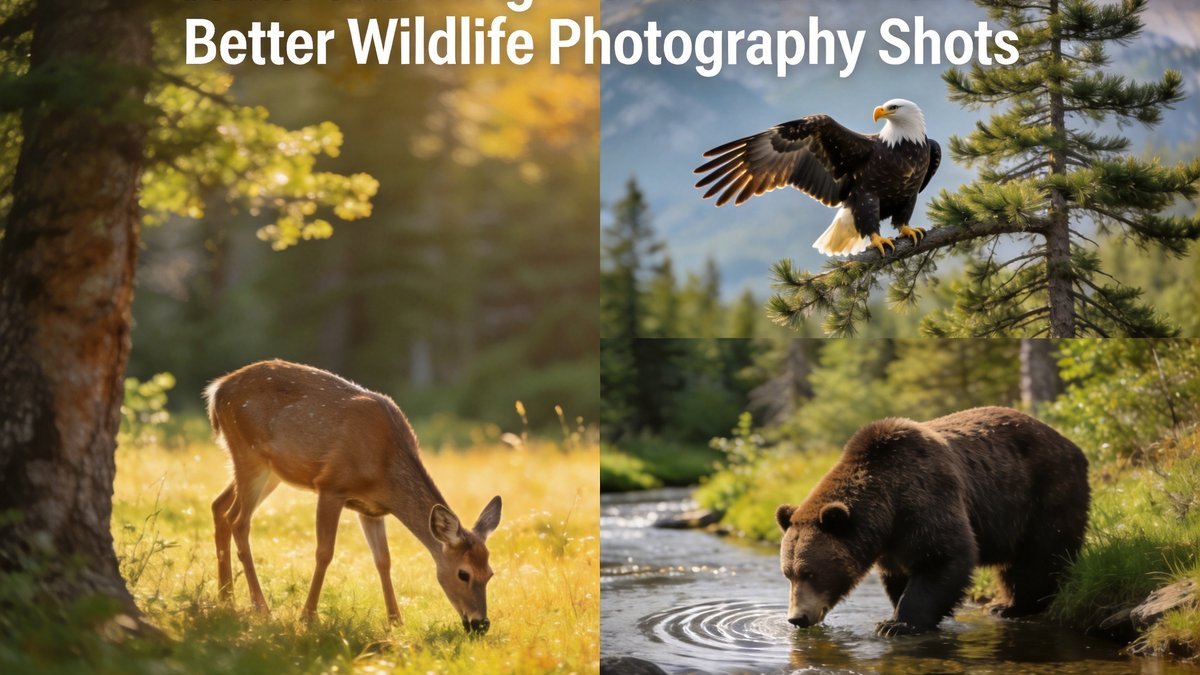
Learn animal behavior patterns for wildlife photography including feeding times, mating seasons, territorial behavior, and movement patterns.
Learn animal behavior patterns for wildlife photography including feeding times, mating seasons, territorial behavior, and movement patterns.
Understanding animal behavior is the secret weapon of exceptional wildlife photographers. When you know what an animal is likely to do next, you can position yourself in anticipation rather than reaction. Behavior knowledge allows you to predict feeding times, movement patterns, social interactions, and seasonal behaviors that create compelling photographic opportunities.
Animals are creatures of habit. Most species follow consistent daily and seasonal patterns driven by food availability, weather, and reproductive cycles. Learning these patterns for your target species dramatically increases your success rate. A photographer who knows where wolves hunt, when eagles fish, and how bears forage will capture images that elude photographers relying on luck alone.
Knowledge of animal behavior is worth more than any lens or camera body. An understanding of what an animal will do next allows you to be in the right position with the right settings before the moment happens. Luck is just preparation meeting opportunity.
Most wildlife species follow distinct daily activity cycles. Crepuscular animals including deer, rabbits, and many predators are most active during dawn and dusk. Diurnal animals like squirrels, hawks, and butterflies are active during daylight hours. Nocturnal animals including owls, foxes, and raccoons are active at night. Plan your photography sessions around peak activity times for your target species.
Feeding times are particularly predictable. Waterfowl typically feed in early morning and late afternoon. Grazing animals move to open meadows at dawn and return to cover during midday heat. Predators often hunt during transition times between day and night. Learning the specific feeding patterns of animals in your local area gives you a reliable schedule for photography sessions.
Seasonal changes drive dramatic shifts in animal behavior that create unique photographic opportunities. Spring brings mating displays, nesting activity, and newborn animals. Summer offers abundant feeding activity and growing young. Autumn features the rut (mating season) for deer and elk, migration for birds, and preparation for winter. Winter provides opportunities for capturing animals in snow and their survival behaviors.
Migration patterns create predictable windows of opportunity for bird photography. Learn the migration timing for your region and visit known stopover locations where birds concentrate during migration. These locations offer exceptional photography opportunities with high densities of diverse species in a concentrated area.
Understanding animal social structures helps you anticipate interactions that create compelling images. Dominance displays, courtship rituals, parent-offspring interactions, and territorial disputes all produce dramatic photographic moments. Learn to recognize the warning signs that precede aggressive encounters so you can be ready to capture the action.
Animal communication signals provide advance notice of behavior changes. Ears pinned back, raised hackles, tail position, and vocalizations all indicate an animal's emotional state and likely next action. A photographer who reads these signals can anticipate and capture moments that surprise less observant photographers.
Many animals maintain consistent territories that they patrol and defend. Learning the territorial boundaries of resident animals allows you to position yourself in locations where animals are most likely to appear. Birds often perch on the same branches to survey their territory. Mammals use regular travel routes and latrine sites that can be excellent photography locations.
Nesting and denning sites offer reliable photography opportunities but require extreme care to avoid disturbing the animals. Never approach nests or dens closely, as this can cause abandonment, predation, or stress. Use long telephoto lenses and camera traps to document these sensitive locations from a safe distance. Ethical wildlife photography prioritizes animal welfare over image quality.
For photographers working in the Rocky Mountain region, the Hayden Valley in Yellowstone National Park offers a textbook example of predictable daily feeding patterns. Bison and elk congregate in the valley's open meadows between 6:00 AM and 9:00 AM during summer months, grazing intensively before retreating to forested areas as temperatures rise. Wolves, tracked by the Yellowstone Wolf Project, often follow these herds, with the Junction Butte pack frequently hunting along the Yellowstone River near the Alum Creek trailhead. Positioning a tripod with a 500mm f/4 lens, such as the Nikon Z 600mm f/4 TC VR S, along the Mary Mountain Trail at dawn provides a 40-yard sightline to capture these interactions without disturbing the animals.
Seasonal migration patterns along the Pacific Flyway create precise windows for waterfowl photography at places like the Sacramento National Wildlife Refuge in California. The refuge's auto tour route, a 6-mile loop, sees peak concentrations of snow geese and Aleutian cranes from late October through early December, with daily flights from roosting ponds to feeding fields occurring within 30 minutes of sunrise. Using a camouflage blind like the Ameristep Brickhouse Blind, placed 100 yards from the main pond at the refuge's Rice Patch Unit, allows for eye-level shots of geese landing with wings back. The refuge's weekly bird count reports, published online, provide exact dates when crane numbers exceed 10,000, signaling optimal shooting conditions.
Understanding territorial behavior in raptors, such as the peregrine falcons nesting on the Palisades cliffs along the Hudson River, requires knowledge of specific perch sites. At the Palisades Interstate Park, the Giant Stairs trail offers a 3.5-mile route where falcons consistently return to a dead oak snag at mile marker 2.1, visible from a designated observation platform 200 feet away. Photographers using a Canon EOS R3 with a 100-500mm lens can capture stoop dives by focusing on the falcon's head tilt, a 2-second warning before it launches. The New Jersey Audubon Society's seasonal nesting surveys confirm that these perches are used from March through July, with peak territorial displays during the first three weeks of April.
For capturing nocturnal behavior, camera traps set along game trails in the Great Smoky Mountains National Park yield reliable results, particularly on the 5.5-mile Ramsey Cascades Trail. Placing a Browning Strike Force HD Pro camera trap at a 24-inch height on a tree 15 feet from a known bear rubbing post, identified by the park's wildlife biologist team, captures bobcats and black bears during their 2:00 AM to 4:00 AM peak activity window. The trail's dense canopy limits moonlight, so setting the camera's infrared sensitivity to high and using a 32GB SD card ensures full nights of footage without disturbance. These setups, maintained weekly from May through September, produce images of animals in natural behaviors like scent-marking and foraging, as documented in the park's 2023 wildlife study.
Forphotographersworkinginthe Greater Yellowstone Ecosystem, understanding the daily movements of grizzly bears along the Lamar Valleyisessential. Usinga Vortex Razor HDspottingscopewith 27–60xmagnification, photographers can observe bears feeding on cutthroat trout in the Lamar Riverfromasafedistanceof 400yards. The peak feeding window occurs between 6:30AMand 9:00AMduringlate Junethrough August, when trout spawn in shallow gravel beds Positioningatripod-mounted Nikon Z9witha 600mmf/4lensonthe Specimen Ridge Trail offers a clear view of the river bends where bears consistently patrol Thisspecificlocation, accessibleviathe Northeast Entrance Road, allows for unobstructed sight lines while maintaining the required 100 yard minimum distance from the animals
Onthe Pacific Crest Trailin Washington’s Alpine Lakes Wilderness, mountain goat behavior follows a predictable pattern tied to mineral licks along the Icicle Creekdrainage. Goats descend from high alpine ridges around 7,000feettotheselicksat 4,500feetbetween 10:00AMand 2:00PMduring Julyand August. Usingalightweight Gitzo GT1542tripodwitha Really Right Stuff BH-40ballhead, photographerscansetuponthe Icicle Ridge Trailatmile 3.2, where a well worn goat path crosses the trail Thegoatsspendanaverageof 45minutesateachlick, allowing ample time to capture images with a Sony A1and 200-600mmlensatf/6.3, usingashutterspeedof 1 1000 second to freeze their movements against the granite backdrop This knowledge of specific trail mile markers and timing transforms a chance encounter into a reliable photography opportunity
Along the Lamar Valley in Yellowstone National Park, photographers tracking gray wolves should position themselves at least 100 yards from known den sites on Specimen Ridge during the June pupping season, using a 600mm f/4 lens from Canon or Nikon to maintain ethical distance. The wolves typically emerge for hunting at 5:30 AM, following the elk herds moving toward Soda Butte Creek for their dawn grazing. A sturdy Gitzo tripod with a Wimberley gimbal head allows for smooth panning as the pack maneuvers through the sagebrush flats, where wind direction shifts from northwest to southwest by 8 AM.
During the September rut in Rocky Mountain National Park, bull elk on the Kawuneeche Valley Trail display distinctive head-tossing and bugling behaviors between 6:30 AM and 9 AM, with dominant males herding harems of 15 to 20 cows near the Colorado River corridor. Photographers using a 400mm f/2.8 lens can capture the steam rising from their breath at 35°F mornings, while maintaining a minimum 75-foot buffer per park regulations. A camouflage blind set up 50 feet off the trail near the Holzwarth Historic Site provides concealment without disturbing the mating displays.
On the Denali National Park bus route at mile 35, grizzly bears foraging on blueberry bushes along the Polychrome Overlook follow a predictable pattern of digging for roots from 10 AM to 2 PM, then moving to streambeds for salmon by 4 PM. A photographer packing a lightweight Nikon Z8 with a 180-600mm zoom lens can hike the 2.5-mile Triple Lakes Trail loop to reach prime bear activity zones, where wind typically flows uphill until noon. Setting shutter speed to 1/2000th of a second captures the spray from a bear shaking after fishing in the clear glacial streams.
Maintaining appropriate distance from wildlife protects both you and the animals. Use the rule of thumb: if the animal changes its behavior because of your presence, you are too close. Signs of stress include a raised head, flattened ears, tail position changes, and vocalizations. For large mammals like bears and moose, maintain at least 100 yards of distance. For smaller animals like foxes and deer, 25 yards provides adequate space for both observation and safety.
Wildlife photography should never come at the expense of the subject well-being. Use a telephoto lens of at least 300mm to capture detailed images from a safe distance. Never feed, call, or harass animals to get a better shot. Avoid using flash at night, which can disorient nocturnal animals. Be especially careful around nesting sites and during mating seasons when animals are more sensitive to disturbance.