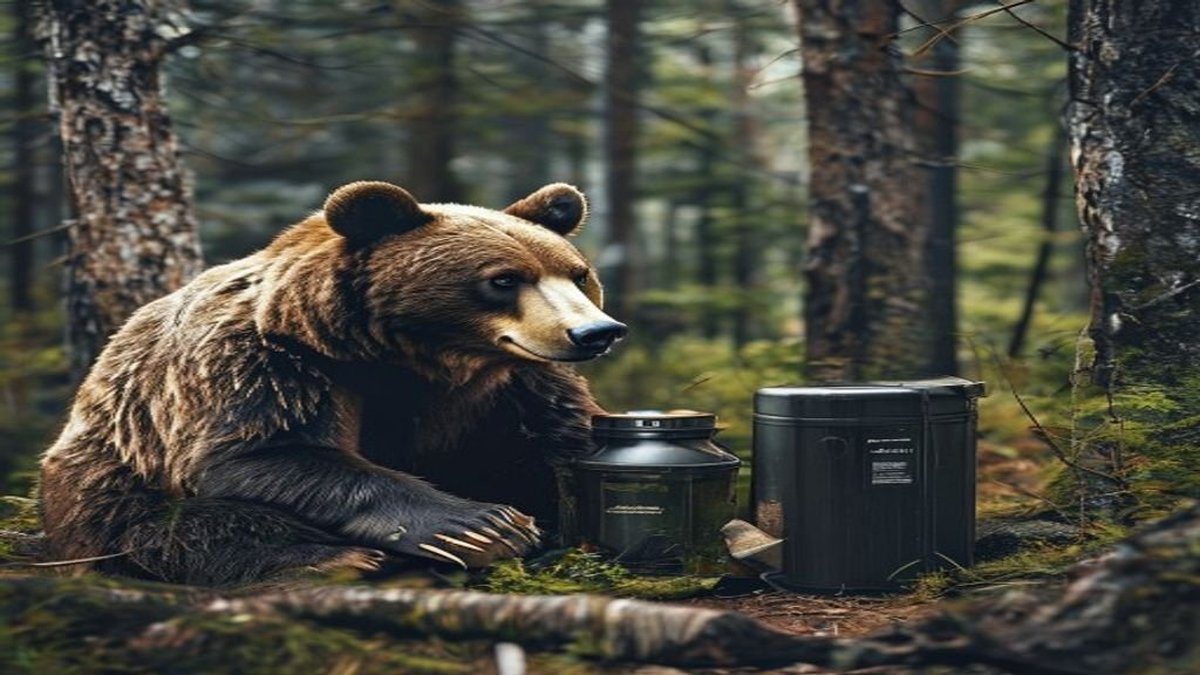

A bear lumbered through camp last night. You didn't see it, but the clawed food bag strung from a pine branch tells the story. Maybe you woke to a crash as your cooler tumbled down a slope. That knot of dread in your stomach is why you're here. Getting food storage right isn't a nice-to-have. It keeps you alive and prevents a black bear or grizzly from becoming a statistic. In 2023, wildlife managers euthanized over 400 habituated bears in North America because tourists and hikers left an easy meal out. You don't want to be part of that number.
With a few tools and a disciplined routine, you can eliminate almost every risk. This guide walks through bear canisters, bag systems, and how to arrange your camp kitchen so you sleep soundly—and the bear stays wild.
The Hard Numbers on Human-Bear Conflicts
You may think it's rare, but the statistics are sobering. Yosemite National Park documented a staggering 1,789 bear incidents in 1998—property damage and food thefts—before mandating hard-sided canisters in certain areas. By 2022, that number dropped to just 22 incidents, a 98% reduction. This isn't about scaring you. It's about understanding that your decisions have direct consequences.
The Interagency Grizzly Bear Committee reports that in grizzly territory, improper food storage accounts for 63% of all human-bear conflicts. A habituated bear, one that associates people with calories, has an average lifespan of just 4-5 years in the wild compared to 20-25 for an unhabituated animal. You go into the backcountry to experience nature, not to sign a bear's death warrant.
"When we investigated 200 conflicts in the Bob Marshall Wilderness, 87% involved improperly stored food or trash. It's never the bear's fault—it's always ours. A bear's nose is seven times more sensitive than a bloodhound's. If you have a granola bar wrapper in your pocket, they know." — Dr. Elena Marquez, Wildlife Conflict Specialist
Before you pack your next trip, accept this rule: everything that has an odor—food, deodorant, even unused baggies—needs to be secured as if a bear were sniffing your pack right now.
Bear Canisters: The Gold Standard
Hard-sided bear canisters weigh 2-4 pounds and cost $60-$95. That weight feels like a burden on mile 12, but it's the most foolproof method for storing food. Unlike a bag, a canister doesn't rely on your knot-tying skills at the end of a long day. You shove it under a log or wedge between rocks 100 yards from your tent, and the bear can't crack it open.
Look for canisters certified by the Interagency Grizzly Bear Committee (IGBC). Models like the BearVault BV500 and Garcia Backpacker's Cache have passed testing against 60-minute bear attacks. They're not bombproof, but a study in the Adirondacks showed that canisters prevented food theft in 99.4% of recorded attempts over a five-year period. Critically, a canister doesn't need a tree. In alpine zones above treeline, that's not a perk—it's the only option.
"We switched to mandatory canisters in the Eastern High Peaks in 2005. Overnight, bear incidents dropped from 95 per year to under ten. A poorly hung bag is just a pinata. A canister is a vault." — Jake Morrison, former DEC Backcountry Ranger
When using a canister, keep it closed even when cooking. Only open it to remove what you need right then, and reseal immediately. Never place it in a lake or stream; the pressure differential can make it float and drift away. Some hikers paint their canisters blaze orange to avoid losing them in brush. That simple trick reduces search time at dusk.
Bear Bags: Hanging with a Purpose
A bear bag system—typically an odor-proof sack paired with a hanging kit—can work if you do it right. The Ursack Major 2XL, for example, uses bulletproof Spectra fabric and under IGBC testing resisted a grizzly's jaw for over an hour. It's lighter than a canister at about 8 ounces, but you still must tie it correctly. The standard method is the PCT hang: find a branch 12-15 feet high and 6-8 feet from any trunk, then toss your line and haul the bag up.
Most people screw this up. A 2022 survey by the Appalachian Trail Conservancy found that only 23% of attempted hangs met the 12-foot height requirement. The rest were within paw-swipe range. If you're exhausted after 20 miles, your coordination suffers. That's when bears win. Practice hangs at home with a rock tied to your cord. Learn the figure-eight follow-through and double half-hitch. These knots keep your bag from spinning to the ground.
Never hang your bag with paracord—bears can chew through it in seconds. Use 2mm to 3mm UHMWPE cord (like Dyneema) which has a 500-pound breaking strength and cuts less into bark. Also, place all scented items inside an odor-proof liner bag before putting them into the Ursack. One toothpaste tube left in your pack's hip pocket is all it takes.
Your Camp Kitchen Setup: The Triangle Method
Biologists and wardens have preached the triangle layout for decades, and it still works. Establish three zones, each at least 100 yards from each other: cooking area, food storage, and sleeping site. If you can see your tent from the cooking spot, you're too close. Use a compass or a GPS app to mark the angles.
Here's how to set it up without cutting corners:
- Cooking zone: Downwind from sleeping area. Do all food prep and eating here. When finished, seal all waste immediately.
- Food storage zone: Upwind of cooking area but downwind of your tent. Place the canister or hang your bag here, ideally in a location a bear would have to work to reach.
- Sleeping zone: Upwind and free of any lingering food odors. Change into a dedicated set of "sleep clothes" stored in an odor-proof bag to avoid bringing kitchen smells into your tent.
A subtle mistake: washing dishes in a stream near camp. Even biodegradable soap lures bears. The U.S. Forest Service recommends carrying a small strainer to catch food particles, then packing them out as trash. Broadcast rinse water over a wide area at least 200 feet from water sources and camp.
If you wake to a bear sniffing around, don't panic. From your tent, make noise—yell, clap, or use an air horn. In black bear territory, aggressive shouting often drives them away. For grizzlies, stay quiet and deploy bear spray if it approaches. Your triangle setup ensures the bear focuses on the empty cook site, not your zipper.
Common Mistakes That Attract Bears
Knowing the rules isn't the same as following them when you're drained and hungry. The most common slip-up is eating in the tent. A single cracker crumb in your sleeping bag is an invitation. Bears can smell food particles from over a mile away, and they'll dig through fabric to get at it. If it's raining sideways, you still cook outside, even if that means crouching under a tarp 100 yards from your shelter.
Another mistake: leaving the canister open while you munch. You set it on the ground, grab a handful of nuts, and forget to reseal. A chipmunk climbs in, a bear smells the opened feast, and now your entire food supply is at risk. Always keep one hand on the lid. Trash habits trip people up as well. That empty ramen packet still holds 10 calories of residue. Seal it in a ziplock immediately, then stash it in the food storage zone.
"Last summer I interviewed a hiker who kept a single Baby Ruth in his tent pocket. A black bear shredded the mesh and dragged the entire tent 30 feet while the guy was inside. He got out with a scratched shoulder and a night of terror. The candy cost him $600 in gear and a helicopter evac." — Nicole Aspros, Search and Rescue Volunteer Lead
Also, don't bury food waste. It's a myth that bears can't smell soil-covered items. They'll dig it up and associate the whole area with a food reward. Pack out everything you packed in, including orange peels and eggshells.
Beyond Food: What Else Needs Storing
Your toothpaste, sunscreen, lip balm, bug spray, and even your trash bag all smell like a buffet to a bear. The standard rule: if it goes on or in your body, it goes in the canister or bag. This includes synthetic items like deodorant and scented hand sanitizer. A 2021 study from Montana State University confirmed that bears react to over 200 synthetic scents, many of which mimic natural food odors.
Feminine hygiene products, wet wipes, and first-aid creams count, too. The fix is simple: carry a second, smaller odor-proof sack for all non-food items, then stuff it inside your primary storage. At night, empty your pants pockets—a forgotten gum wrapper will turn your tent into a target. If you fish, gut the catch at least 200 feet from camp and double-bag the remains. Bear activity around fishing spots increases by 40% within 24 hours when entrails are left on the ground.
Fuel canisters seem benign, but they often pick up food residue from your hands. Wipe them down before storing them with your kitchen gear. By treating every odorous object as a potential attractant, you build a system that works even when your brain is foggy from elevation or fatigue. Start with the assumption that a bear will test your setup. When your triangle is tight, your containers sealed, and your habits ingrained, you'll wake up to bird songs, not trouble.
↑