Table of Contents
Yosemite National Park guide covering iconic hikes like Half Dome, camping reservations, photography spots, and seasonal tips for the best experience.
Jordan Myers
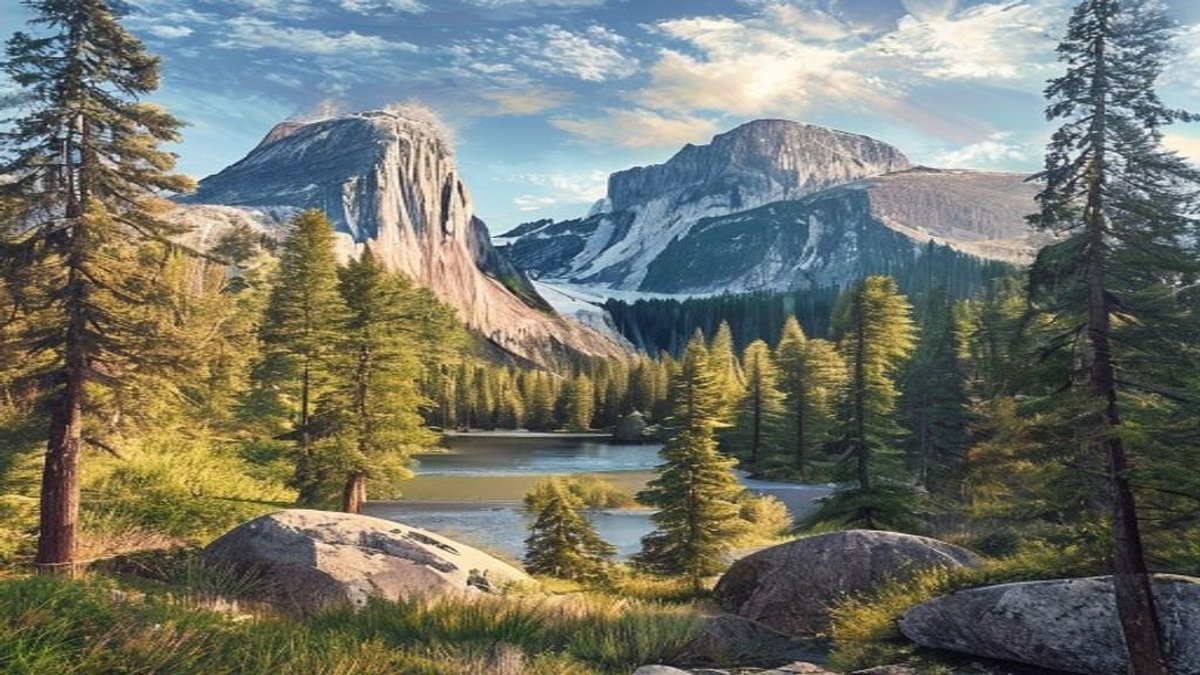
Yosemite National Park guide covering iconic hikes like Half Dome, camping reservations, photography spots, and seasonal tips for the best experience.
Yosemite National Park guide covering iconic hikes like Half Dome, camping reservations, photography spots, and seasonal tips for the best experience.
Yosemite National Park in California's Sierra Nevada mountains is one of the most iconic natural landscapes in the world. The park's dramatic granite cliffs, towering waterfalls, ancient sequoia groves, and pristine wilderness have inspired generations of visitors. Yosemite Valley, carved by glaciers over millennia, concentrates the park's most famous features in a seven-mile-long valley surrounded by 3,000-foot granite walls.
Yosemite receives over 4 million visitors annually, with the majority concentrated in the seven-square-mile Yosemite Valley during summer months. Despite the crowds, the park offers countless opportunities for solitude and connection with nature, particularly for those willing to hike beyond the paved trails and visit during shoulder seasons.
Yosemite Valley is a place where the scale of nature overwhelms the human perspective. Standing at the base of El Capitan or watching water plummet over Yosemite Falls reminds you of your place in the world. No photograph fully captures the feeling of being there.
The Half Dome hike is Yosemite's most famous and challenging day hike, covering 14-16 miles round trip with 4,800 feet of elevation gain. The final section requires climbing cables at a 45-degree angle to reach the summit. A permit is required through the lottery system, and cables are typically available from late May through October. This hike demands excellent fitness, early starts, and comfort with exposure.
The Mist Trail to Vernal and Nevada Falls offers a classic Yosemite experience with incredible waterfall views. The 3-mile round trip to Vernal Fall is manageable for most visitors, while the 7-mile round trip to Nevada Fall requires more effort. Both trails reward hikers with up-close waterfall mist and rainbow views on sunny afternoons. The John Muir Trail offers an alternative route with less crowding.
Yosemite Valley concentrates the park's most famous landmarks in a compact area. El Capitan, the largest granite monolith in North America, rises 3,000 feet above the valley floor and is the premier big wall climbing destination in the world. Bring binoculars to spot climbers on the face during spring through fall. Tunnel View provides the iconic valley panorama featured in countless photographs.
Yosemite Falls is North America's tallest waterfall at 2,425 feet, with peak flow in May during snowmelt. By August, the falls may be dry. Bridalveil Fall offers an easy 0.5-mile paved trail to a misty viewpoint. Sentinel Meadow provides excellent reflection photography of Half Dome in still water, particularly during early morning hours.
Camping in Yosemite requires advance planning and reservation. The park operates 13 campgrounds with over 1,400 sites, but demand far exceeds availability. Reservations open five months in advance on recreation. gov and sell out within minutes for popular summer dates. Upper Pines, Lower Pines, and North Pines campgrounds in Yosemite Valley are the most sought-after.
Alternative camping options include Camp 4 (walk-in tent camping with same-day reservations), Hodgdon Meadow and Crane Flat campgrounds near the park entrances, and Tuolumne Meadows Campground at 8,600 feet elevation along Tioga Road. First-come, first-served sites exist at some campgrounds but require arriving early in the day, especially during peak season.
Yosemite is one of the most photographed places on Earth for good reason. Tunnel View is the classic shot, best photographed in late afternoon and evening golden hour. Valley View offers a different perspective with the Merced River in the foreground reflecting El Capitan and Bridalveil Fall. Sentinel Bridge provides the classic Half Dome reflection shot.
Glacier Point offers a breathtaking俯瞰 of the entire valley, Half Dome, and the High Sierra, accessible by car during summer and fall. For unique perspectives, hike the Four Mile Trail to Glacier Point or the Panorama Trail for an epic point-to-point day hike. Winter photography captures Yosemite's stark beauty with fewer visitors and snow-capped granite.
For the ambitious hiker, securing a Half Dome permit is a bucket-list achievement, but the 14- to 16-mile round trip demands early starts and proper gear like trekking poles with carbide tips for the slick granite. The final cable section, ascending 400 feet at a 45-degree angle, requires grip gloves and a calm head, especially when winds whip through the valley at sunrise. Many successful summiters rely on a 3-liter hydration reservoir and a headlamp, as the 3 a. m. departure from the Happy Isles trailhead often ends in near-darkness.
Camping in Yosemite Valley requires strategic planning, as sites like Upper Pines and North Pines fill within minutes of the 7 a. m. PST reservation release on Recreation. gov. A typical mid-June stay at Camp 4, the walk-in tent site, costs just $10 per night but demands you pack a lightweight bivy sack and a bear canister for all food and scented items. Seasoned campers recommend the REI Co-op Half Dome 2 Plus tent for its ventilation in the dry summer heat and a closed-cell foam pad to insulate against the cold granite ground.
Photographers flock to Tunnel View for the classic El Capitan and Bridalveil Fall composition, but the true magic happens at 6:15 a. m. in October when autumn light paints the cliff faces gold. Using a 24-70mm lens at f/11 with a polarizing filter cuts the glare from the Merced River and deepens the blue of the sky, while a tripod is essential for the 30-second exposures needed at Sentinel Dome. For Milky Way shots over Half Dome, aim for a new moon in July, set your ISO to 3200, and use a 14mm lens at f/2.8 for sharp stars.
Seasonal tips can make or break a trip, as late May brings thunderous waterfalls like Yosemite Falls at peak flow, but also muddy trails on the Mist Trail that require waterproof boots like the Salomon X Ultra 4. Winter visits from December to February offer solitude and snowshoe routes to Dewey Point, where a 10-mile round trip rewards you with views of the valley dusted in white. Always check the NPS alerts for road closures on Tioga Pass, which typically opens in late June, and carry microspikes for icy sections on the Panorama Trail even in spring.
For those seeking a less crowded but equally rewarding granite summit the Clouds Rest hike offers a superior alternative to Half Dome. This 14 5 mile round trip trek from the Tenaya Laketrailheadgains 1,775feetandculminatesat 9,926feet, providinga 360 degree panorama that includes Half Dome, Liberty Cap, andtheentire Yosemite Valleyspreadoutbelow. Thefinalmiletraversesanarrow, exposedknife-edgeridge, requiring steady footing on granite slabs but the view of the valley from above is arguably more dramatic than from Half Domeitself. Hikers should carry atleast three liters of water and a reliable filtration system like the Katadyn Be Freeor MSRTrail Shot, as there are no reliable water sources after the first few miles Start before dawn to avoid afternoon thunderstorms and secure parking at the trail head whichfillsby 7:00AMduringpeakseason.
Photographers targeting the iconic Tunnel View should plan for precise timing and gear preparation The best light occurs during the spring and fall equinoxes when the sun aligns perfectly with the valley opening illuminating El Capitanand Bridalveil Fallinagoldenglow. Use a tripod with a sturdy ball head suchasthe Really Right Stuff BH-40orthelighter Peak Design Travel Tripod, and a circular polarize r to cut glare off granite and enhance the contrast of the sky Forauniquecomposition, hikethe 1.2-mile Pohono Trailfrom Tunnel Viewtothe Artist Pointoverlook, which provides a less crowded perspective of the same scene Arriveatleast 45 minutes before sunrise to setup and bring a wide angle lens like the Nikon 14-24mmf/2.8orthe Sony 16 35 mm f 2 8 GM to capture the full sweep of the valley in a single frame
For photographers seeking the iconic Tunnel View shot, arriving at least 45 minutes before sunrise is critical during peak season to secure a tripod position along the south wall of the turnout. A 24-70mm lens on a full-frame camera captures the full sweep of El Capitan, Half Dome, and Bridalveil Fall in a single frame, while a 70-200mm telephoto lens isolates details like climbers on the Nose route of El Capitan. The Gitzo GT2542 tripod with an Arca-Swiss ball head provides the stability needed for long exposures of flowing water at locations like the Merced River reflection pools near Sentinel Bridge. During autumn, the low angle of the sun creates golden-hour light that warms the granite walls, making October and November the prime months for landscape photography without summer haze.
Backpacking the 211-mile John Muir Trail through Yosemite requires meticulous planning, with resupply points at Tuolumne Meadows and Red's Meadow to manage food weight over the three-week journey. The section from Happy Isles to Little Yosemite Valley climbs 2,100 feet over 4.7 miles, passing Vernal Fall and Nevada Fall on a granite staircase that demands trekking poles like the Black Diamond Trail Pro to reduce knee strain on the descent. Campers must store all food in bear-resistant canisters approved by the Sierra Interagency Black Bear Group, such as the Bear Vault BV500, which holds up to seven days of supplies. Permits for overnight trips are allocated through a lottery system with a 168-day advance window, and only 40% of applications succeed for the most popular July and August departure dates.
Winter transforms Yosemite into a silent realm where the Mist Trail closes due to icy conditions on the granite steps, but the Valley Loop Trail offers 13 miles of snow-covered paths suitable for microspikes from Kahtoola. The Badger Pass Ski Area operates from mid-December through March, providing groomed cross-country ski trails that connect to the Glacier Point Road for a 10.5-mile winter trek to the overlook. Snowshoe rentals from the Yosemite Mountaineering School cost $35 per day and include guided tours to the Mariposa Grove of Giant Sequoias, where the 2-mile Grizzly Giant Loop Trail remains accessible through packed snow. Photographers should carry spare batteries in an inner pocket because lithium-ion cells lose 50% of their capacity at 20°F, turning a morning shoot at Bridalveil Fall into a race against darkness by 4:30 PM in December.
Respecting other campers and the environment makes the experience better for everyone. Keep noise levels down, especially after quiet hours. Observe the 200-foot rule for setting up camp away from water sources and trails. Pack out all trash, including biodegradable items like apple cores, which take weeks to decompose in natural environments. Following these principles ensures campsites remain pristine for future visitors.
Testing your gear before heading into the backcountry prevents unpleasant surprises. Set up your tent in the backyard and spray it with a hose to check for leaks. Test your stove outside to ensure it lights and burns evenly. Break in new boots with short walks before a long hike. A pre-trip gear check takes an hour and can save you from a miserable night in the woods.