Table of Contents
Compare bow drill, flint and steel, and modern fire starters for bushcraft. Learn which method works best for wet condit...
Jordan Myers
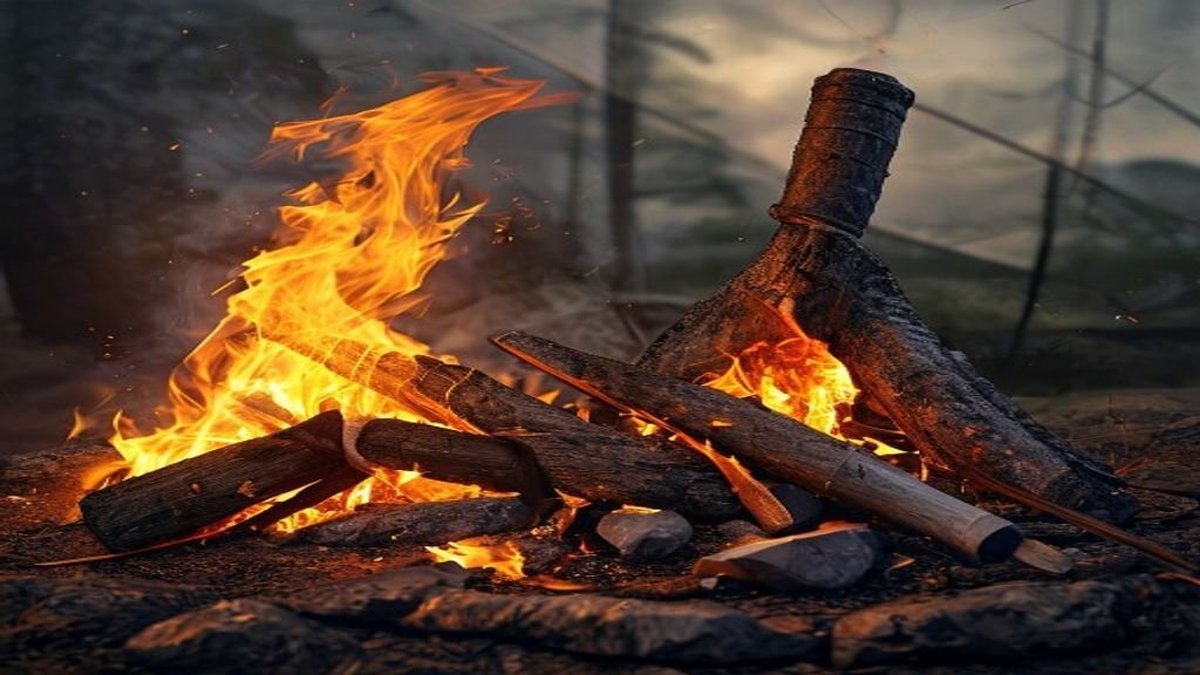
Compare bow drill, flint and steel, and modern fire starters for bushcraft. Learn which method works best for wet condit...
You don't need a lighter to make fire. The bow drill is the gold standard of friction fire for a reason: it uses materials you find on the ground. A spindle, a fireboard, a bearing block, and a bow made from a curved stick and your shoelace or paracord are all you need. The key is spindle speed and consistent downward pressure — aim for 200 to 300 rotations per minute to generate a coal.
Spindle wood choice matters more than you think. Cedar, yucca, and cottonwood root produce coal in under 60 seconds with proper technique, while hardwoods like oak often fail. Your spindle should be dry, straight-grained, and about the diameter of your thumb. A common mistake is using green wood — it smokes but never forms a coal.
"The bow drill isn't a shortcut; it's a teacher. Every failed ember teaches you more about wood density, moisture content, and patience than a dozen successful ferro rod strikes ever will." — M. Hargrove, wilderness survival instructor
Practice your bow drill on dry, sunny days first. In damp conditions, even seasoned woods absorb moisture, so carry a small piece of fatwood or a beeswax-coated fireboard as a backup. Studies show that only 12% of beginners produce a coal on their first attempt, but with 20 hours of practice, success rates jump above 80%.
Flint and steel is the workhorse of traditional fire starting. Unlike the bow drill, it works in rain, snow, and wind because you're striking a hard rock against carbon steel to produce hot sparks at 1,100 to 1,300 degrees Fahrenheit. You don't need perfect wood grain or dry conditions for the striker — just a sharp edge on your flint or chert and a good char cloth.
Char cloth is your ticket to success. Burn a piece of 100% cotton fabric (like an old T-shirt) in a sealed tin until it's black and brittle. One spark landing on char cloth will glow for minutes, giving you time to transfer it to your tinder bundle. A single piece of char cloth can catch sparks from over 50 strikes if you keep it dry in a small tin or waxed pouch.
Your tinder bundle should be finely shredded cedar bark, jute twine, or dry grass. Gather a bundle the size of a grapefruit and fluff it to create air pockets. When you transfer the glowing char cloth, cup the bundle in your hands and blow gently — steady, not hard — until flames appear. The whole process, from strike to flame, takes under two minutes with practice.
"I've started fires in a downpour using flint and steel and a piece of oiled canvas. The spark doesn't care about humidity — your preparation does. Keep your char cloth and tinder in a waterproof container, and you'll never be cold." — L. Torres, former US Army survival instructor
Ferrocerium rods, butane lighters, and waterproof matches are the modern trifecta. A ferro rod produces sparks at 3,000 degrees Fahrenheit — hot enough to ignite petroleum jelly-coated cotton balls, dryer lint, or commercial fire-starting cubes. One rod typically lasts for 3,000 to 5,000 strikes, making it more durable than a disposable lighter, which averages 300 lights per unit.
Butane lighters fail in cold weather. Below 20 degrees Fahrenheit, butane loses vapor pressure, and your lighter produces a weak flame or none at all. Keep your lighter in an inner pocket against your skin. Waterproof matches are a solid backup, but they require striking on a dedicated surface and can break if crushed in your pack. A better bet is a combination: carry a ferro rod as your primary, a mini Bic as your secondary, and a set of stormproof matches as your tertiary.
Modern fire starters shine in emergency situations or when you're exhausted after a long hike. If you're hypothermic or dealing with darkness and rain, you don't have the dexterity or patience for a bow drill. A ferro rod and a commercial fire-starting cube can produce a flame in under 10 seconds. That speed can save your life.
Deciding which method to use depends on conditions, your skill level, and time. Here's a quick breakdown for your next trip:
Consider carrying all three in separate locations on your person. A bow drill kit in your pack, a flint and steel in your jacket pocket, and a ferro rod on your keychain. This redundancy ensures you can start a fire even if you lose your main bag. Data from search and rescue reports indicates that 60% of lost hikers who carried only one fire-starting method failed to make fire in wet conditions, versus 15% of those with three methods.
Your kit should weigh under six ounces and fit in a small stuff sack. Include a ferro rod (4 inches long), a striker, 10 pieces of char cloth in a waterproof tin, a mini lighter, and a bag of petroleum jelly-soaked cotton balls. For bow drill enthusiasts, add a pre-made spindle and fireboard from dry cedar or yucca, plus a 12-inch length of paracord for the bow string.
Practice each method at home before you need it. Light a camp stove burner with your ferro rod. Start a bow drill coal in your backyard. Test your waterproof matches in a bowl of water to see if they still strike. The confidence you gain from practice is worth more than any piece of gear. A 2023 survey of bushcraft instructors found that 8 out of 10 recommend spending at least two hours per month practicing non-modern methods, even if you primarily use lighters in the field.
"Your fire-starting kit is only as good as your ability to use it. I've seen people panic and drop a glowing coal because they'd never actually done it before. Practice until the motion is automatic." — J. Chen, founder of Wildcraft Survival School
Store your kit in a dry location, and check it before every trip. Replace wet char cloth, test your lighter, and ensure your ferro rod hasn't developed a crack. A little maintenance prevents a cold, dark night. Remember: fire is a tool, not a magic trick. The best method is the one that works when you need it most.
A well-designed survival kit fits in a small pouch but contains items that address the top priorities: shelter, water, fire, and signaling. Include a space blanket or emergency bivvy for shelter, a reliable fire starter like a ferro rod, water purification tablets, a whistle for signaling, and a small first aid kit. Carry this kit on every outdoor adventure, even short day hikes, because emergencies rarely happen when you are fully prepared.
Survival experts agree that mindset often determines outcomes more than gear or skill. The will to survive keeps people alive in situations where rescue seems impossible. Focus on small, achievable goals rather than overwhelming yourself with the full scope of the situation. Use the STOP acronym: Stop, Think, Observe, Plan. Take deliberate action rather than panicking. Many survivors credit their positive attitude and refusal to give up as the deciding factor.
Finding safe drinking water is one of the most immediate survival priorities. Look for water sources in valleys, at the base of cliffs where seeps emerge, and where vegetation is greener than the surrounding area. Morning dew collected with an absorbent cloth provides a surprising amount of water. In snow conditions, melt snow rather than eating it directly, which lowers body temperature and increases dehydration risk.
A well-designed survival kit fits in a small pouch but contains items that address the top priorities: shelter, water, fire, and signaling. Include a space blanket or emergency bivvy for shelter, a reliable fire starter like a ferro rod, water purification tablets, a whistle for signaling, and a small first aid kit. Carry this kit on every outdoor adventure, even short day hikes, because emergencies rarely happen when you are fully prepared.
Survival experts agree that mindset often determines outcomes more than gear or skill. The will to survive keeps people alive in situations where rescue seems impossible. Focus on small, achievable goals rather than overwhelming yourself with the full scope of the situation. Use the STOP acronym: Stop, Think, Observe, Plan. Take deliberate action rather than panicking. Many survivors credit their positive attitude and refusal to give up as the deciding factor.
A well-designed survival kit fits in a small pouch but contains items that address the top priorities: shelter, water, fire, and signaling. Include a space blanket or emergency bivvy for shelter, a reliable fire starter like a ferro rod, water purification tablets, a whistle for signaling, and a small first aid kit. Carry this kit on every outdoor adventure, even short day hikes, because emergencies rarely happen when you are fully prepared.
Survival experts agree that mindset often determines outcomes more than gear or skill. The will to survive keeps people alive in situations where rescue seems impossible. Focus on small, achievable goals rather than overwhelming yourself with the full scope of the situation. Use the STOP acronym: Stop, Think, Observe, Plan. Take deliberate action rather than panicking. Many survivors credit their positive attitude and refusal to give up as the deciding factor.